Charleston Literary Festival 2026 Guide: Authors, Tickets, Venue and Downtown Planning
Charleston Literary Festival returns November 6-15, 2026 at Dock Street Theatre. Here’s what to know about the announced 2026 authors, ticketing, downtown logistics, parking, transit and neighborhood planning before you go.
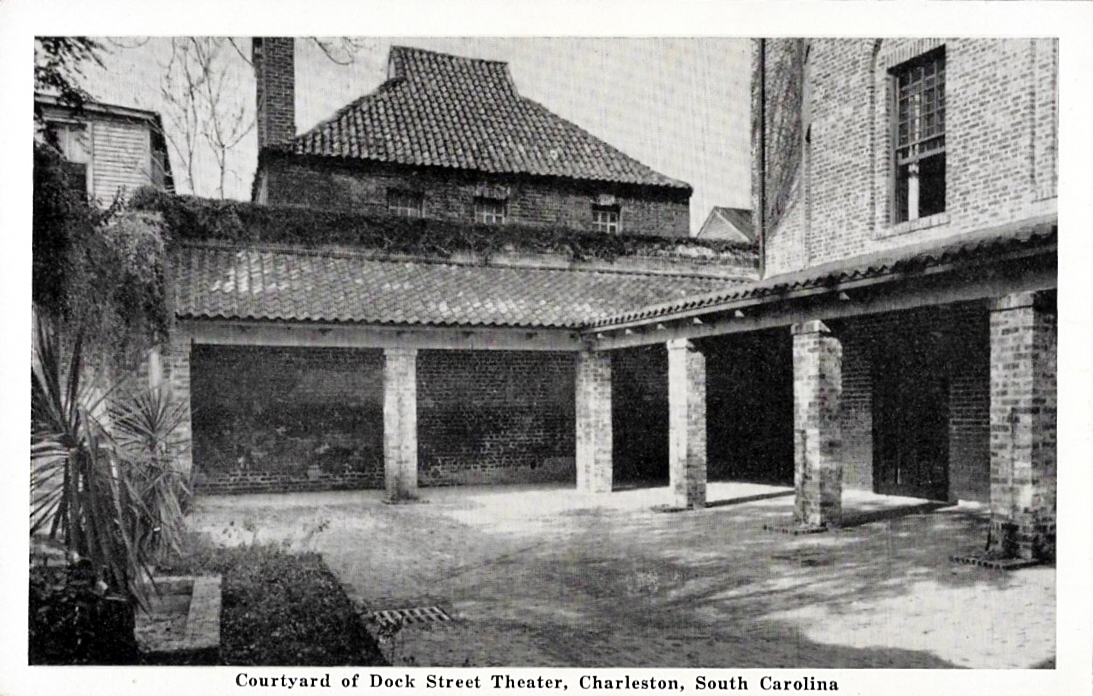
Charleston Literary Festival has announced its 2026 dates, and this year’s edition runs November 6-15, 2026, with programs centered at Dock Street Theatre in downtown Charleston. For readers planning ahead, that matters: this is a compact, conversation-driven festival staged in the middle of the Historic District rather than a spread-out fairground event, so your best strategy is less about rushing between venues and more about booking the right sessions, choosing a walkable base, and understanding downtown logistics before you arrive.
The 2026 festival is again positioned as a multi-day literary event with author conversations, audience Q&As, and on-site book signings after sessions. The organizer says to expect more than 35 sessions across the 10-day run, with more than 60 authors and interlocutors participating. Individual event tickets are on sale now, and seating at Dock Street Theatre is general admission, with a preferred front section reserved for donors.
When the 2026 Charleston Literary Festival happens
The officially announced dates are Friday, November 6, through Sunday, November 15, 2026. Most festival programming is built around hour-long sessions, and the festival notes that only one event is scheduled at a time, which makes it easier to attend multiple conversations in a day without choosing between simultaneous panels. That slower cadence is part of the appeal: this is a downtown Charleston cultural event that rewards lingering nearby rather than constantly commuting.
If you are building a weekend around it, the first and second weekends are the natural anchors. If you want a lighter downtown crowd and easier restaurant reservations, the midweek stretch may be the better play.
Where it takes place
For 2026, the festival says all live events are held at Dock Street Theatre, 135 Church Street, in the French Quarter side of the Historic District. That location is one of the biggest practical advantages for visitors: you are within walking distance of restaurants, hotels, galleries, and waterfront blocks, and you are not far from landmarks including The Battery, White Point Garden, and the busy market area east of King Street.
Because everything is centered at one theater, this is a good year to think in neighborhood terms. Staying in the French Quarter, Ansonborough, Harleston Village, or the lower end of the Historic District keeps the day simple. If you are lodging farther north near Upper King or around Marion Square, the walk is still manageable for many visitors, but allow extra time and consider whether evening sessions will end later than you want to walk back.
Authors and program highlights announced so far
The festival has already released a substantial 2026 program, with authors and speakers including Barbara Kingsolver, Steven Pinker, Tayari Jones, Curtis Sittenfeld, Hernan Diaz, Claudia Rankine, Daniel Mendelsohn, Roxane Gay, Susan Orlean, Jayne Anne Phillips, Ada Ferrer, James Gleick, Julie Orringer, Patrick Ryan, Joseph O’Neill, Ben Markovits, Gaël Faye, Rebecca Newberger Goldstein, Catherine Ostler, Daniel Kraus, Belle Burden, Nelio Biedermann, Virginia Evans, Lily King, and more.
Among the specifically posted sessions are Rachel Eliza Griffiths on November 7; Claudia Rankine, James Gleick, Daniel Mendelsohn, and a Virginia Evans and Lily King conversation the same day; a free fellows showcase on November 10; and a family-oriented appearance by Misty Copeland on November 11 that is described as suitable for children ages 8 to 12. The festival also lists a staged reading of Virginia Woolf’s Freshwater: A Comedy as part of the 2026 finale programming.
One useful detail for families: the Misty Copeland event is listed as free for children 12 and under, but the festival also says ticketing details for that program are still to be announced and notes that seating is limited because it is designed in part to serve Charleston County School District students. In other words, do not assume that “free” means unlimited walk-up access.
Tickets, pricing and how to plan your day
Individual event tickets are already on sale for 2026. Many listed standard sessions are priced at $30, with some premium or bundled events priced higher, including select $40 sessions and at least one listed book-plus-ticket event at $50. The festival also sells three-day VIP experiences built around Nov. 6-8, Nov. 10-12, and Nov. 13-15; at the time of research, the first and second weekend VIP packages were marked sold out, while the midweek package remained available.
Since seating is general admission, arriving early matters more than at a reserved-seat festival. That is especially true for headline authors and for sessions that line up neatly with lunch or dinner plans. Build in time for check-in, settling in, and the post-event signing line if meeting the author or buying a signed copy is part of the experience you want.
- Book headline sessions first, then fill around them.
- Leave room between conversations for meals and walking.
- Expect signings immediately after sessions.
- For family outings, confirm children’s event ticketing details before making the full day’s plan.
Parking, transit and getting around downtown
Dock Street Theatre is beautiful, but it sits in one of the peninsula’s oldest and tightest street grids. The festival’s own visitor information says there is street parking directly in front of the building, loading zones on either side of the street, and an accessible entrance to the left of the main entrance. It also points attendees to the Cumberland Street Garage, two blocks away at Cumberland and Church, with handicap spaces on the first level.
In practice, drivers should not count on curbside spaces near showtime. A garage-first strategy is smarter, especially for evening events or weekend sessions when the lower Historic District is already busy with hotel guests, shoppers, diners, and carriage traffic.
For visitors staying elsewhere on the peninsula, CARTA’s free DASH service is often the easiest low-stress option for moving around downtown. CARTA’s visitor information also highlights the free Downtown Area Shuttle and real-time tracking in the Transit app. If you are staying near Marion Square, the Charleston Visitor Center, the South Carolina Aquarium, or the Upper King Design District, transit plus walking can be easier than repositioning a car between sessions.
Accessibility and pace
The festival states that an accessible entrance is available beside the lobby for wheelchairs, walkers, and similar mobility needs. Metered parking is also free with a valid handicap placard, according to the festival’s transportation information. Because sessions typically run about an hour and are followed by signings, this is a more accessible pace than some larger festivals with sprawling campuses, though Charleston’s sidewalks, curbs, and uneven historic surfaces still deserve attention when you map your day.
If mobility is a concern, prioritize lodging south of Calhoun Street or arrange drop-offs close to Church Street rather than planning long walks from Upper King.
Neighborhood strategy for a better festival weekend
The best 2026 festival plan is to treat Charleston Literary Festival as a downtown-neighborhood event, not just a ticketed theater stop. If you want a classic historic-core experience, stay close to Dock Street Theatre and use free time for short walks toward The Battery or White Point Garden. If your group prefers more nightlife and restaurant density, base near King Street or the Upper King Design District and commute south for sessions.
Marion Square is a useful mental marker if you are orienting yourself from the north side of downtown, while College of Charleston helps define the central peninsula for walkers choosing between Upper King, Harleston Village, and the lower Historic District. Visitors with kids may also find it helpful to pair a family-friendly session with nearby time at the Children’s Museum of the Lowcountry or the South Carolina Aquarium, depending on where the rest of the day is spent.
What to reserve early
Because the festival sits in a popular part of Charleston during a prime fall period, early reservations matter almost as much as tickets. Lock in your hotel once you know which days you want. If you are targeting weekend sessions, make dinner plans well ahead, especially in the lower peninsula where pre-theater and destination dining compete for the same tables. If you are driving in from Mount Pleasant, West Ashley, James Island, or North Charleston for a single session, add buffer time for parking and downtown congestion rather than timing your arrival to the minute.
The main thing readers should know for 2026 is that this year’s festival is fully real, dated, and on sale now, with a named lineup and a clear downtown venue plan. What remains most important is not chasing every session, but choosing the right part of the program for your interests and building a walkable, realistic Charleston day around it.